
CURRENTLY SHOWING
SHEUNG WAN
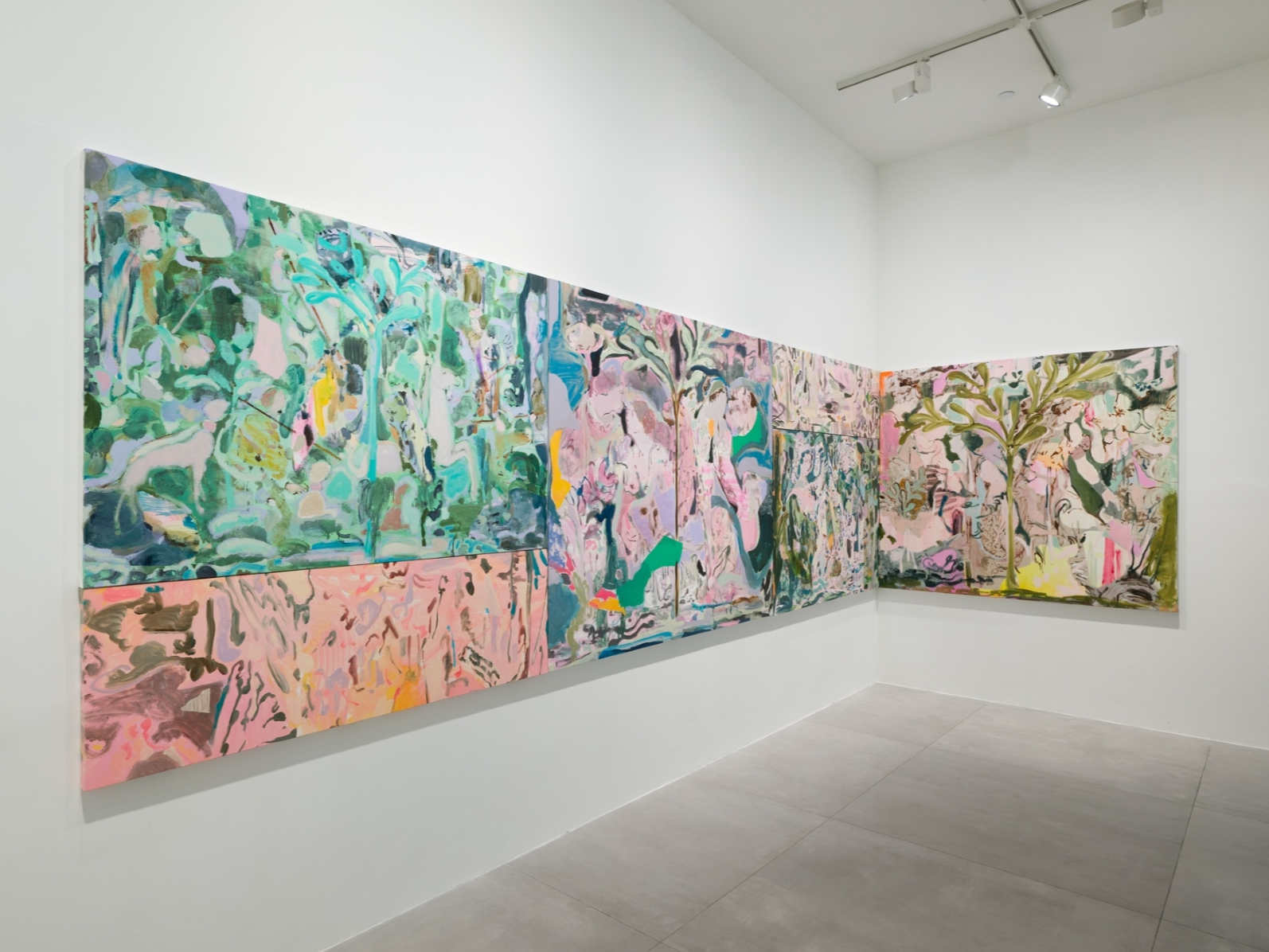
Tomo Campbell: Search Party
18 Jun – 8 Aug, 2026
Double Q Gallery
SOUTHERN
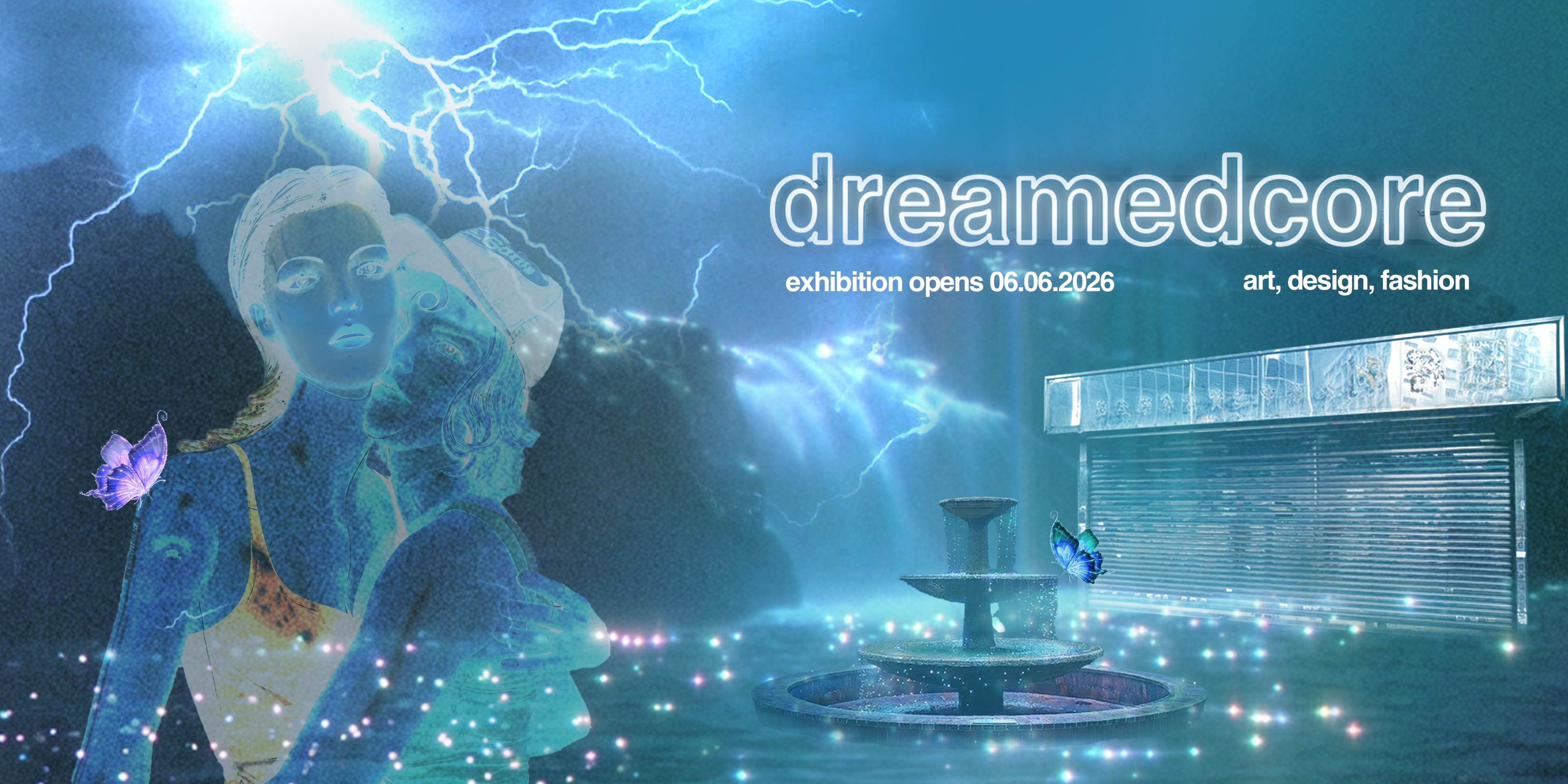
dreamedcore
6 Jun – 1 Aug, 2026
GOLD by Serakai Studio
CENTRAL
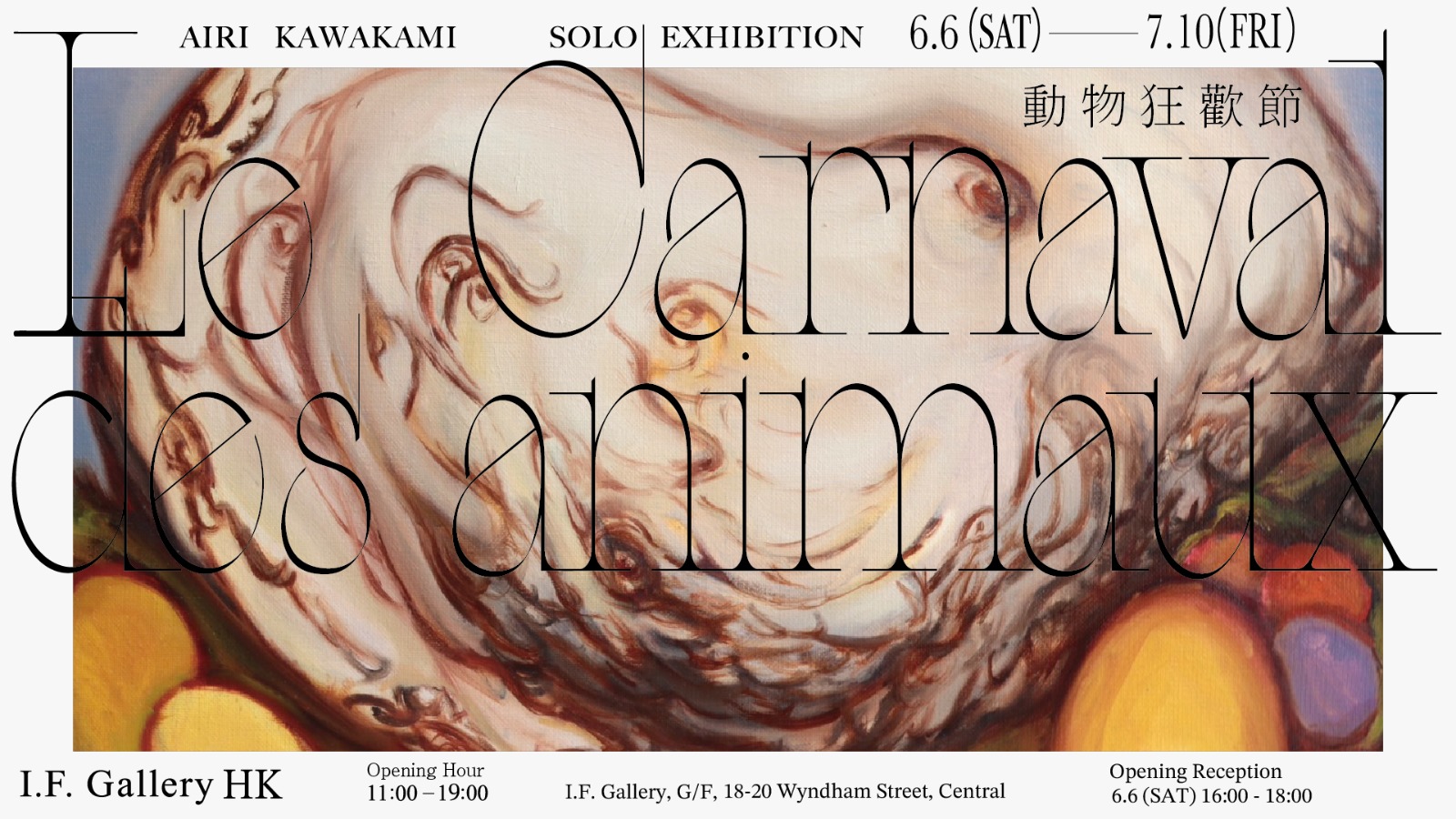
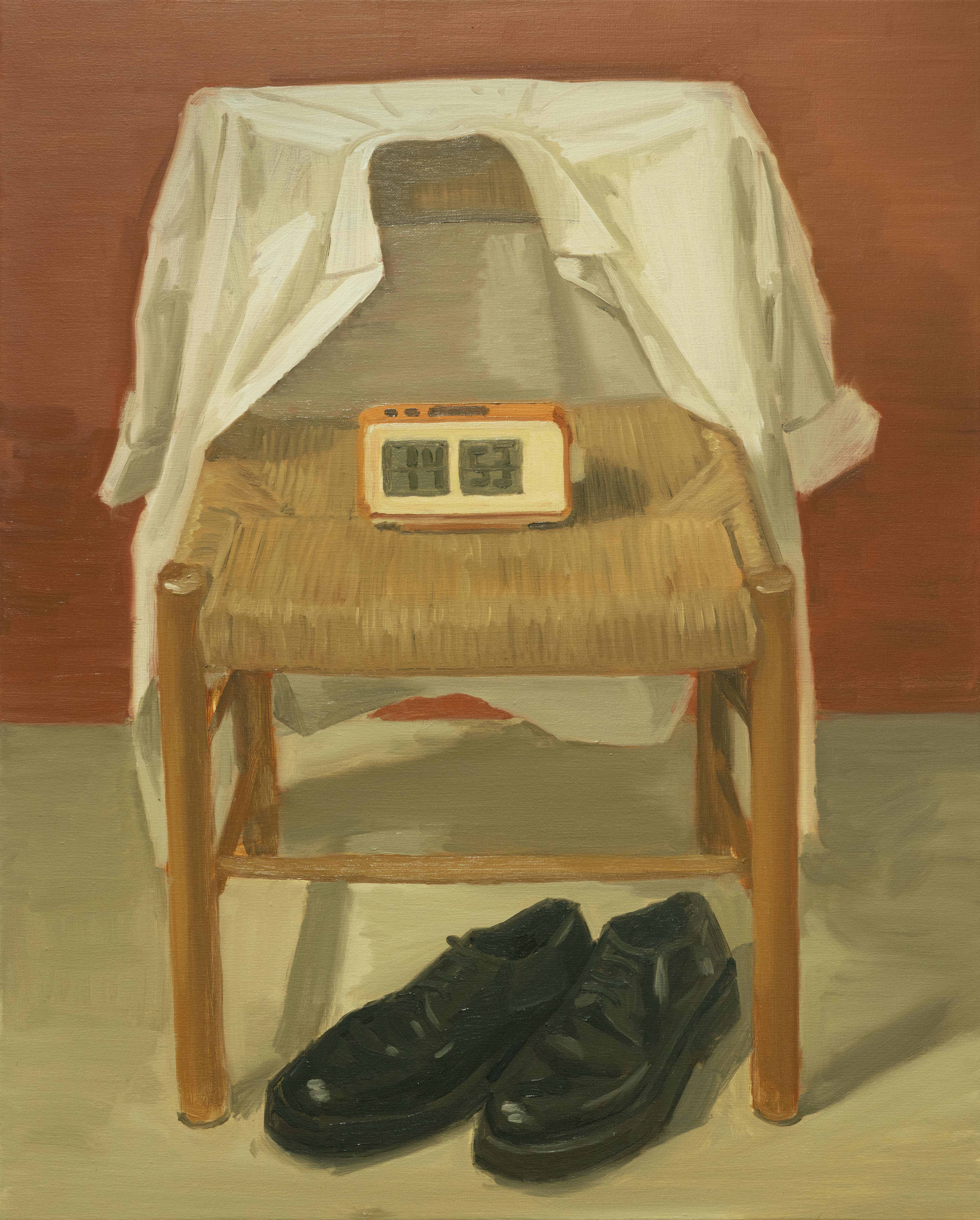
Le Carnaval des animaux - The Carnival of the Animals
6 Jun – 10 Jul, 2026
I.F. Gallery
SOUTHERN
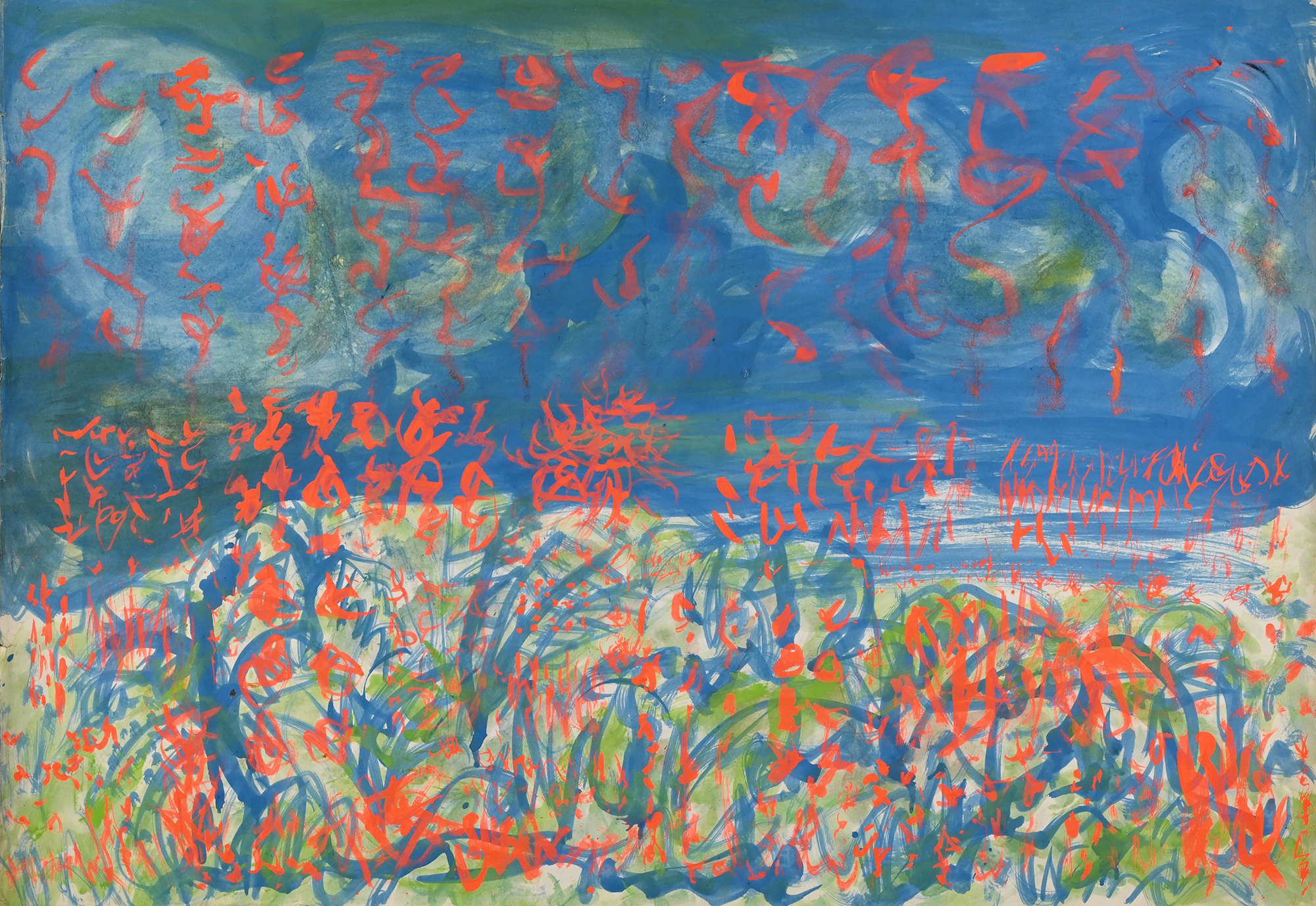
BETWEEN
6 Jun – 29 Aug, 2026
WKM Gallery
CENTRAL
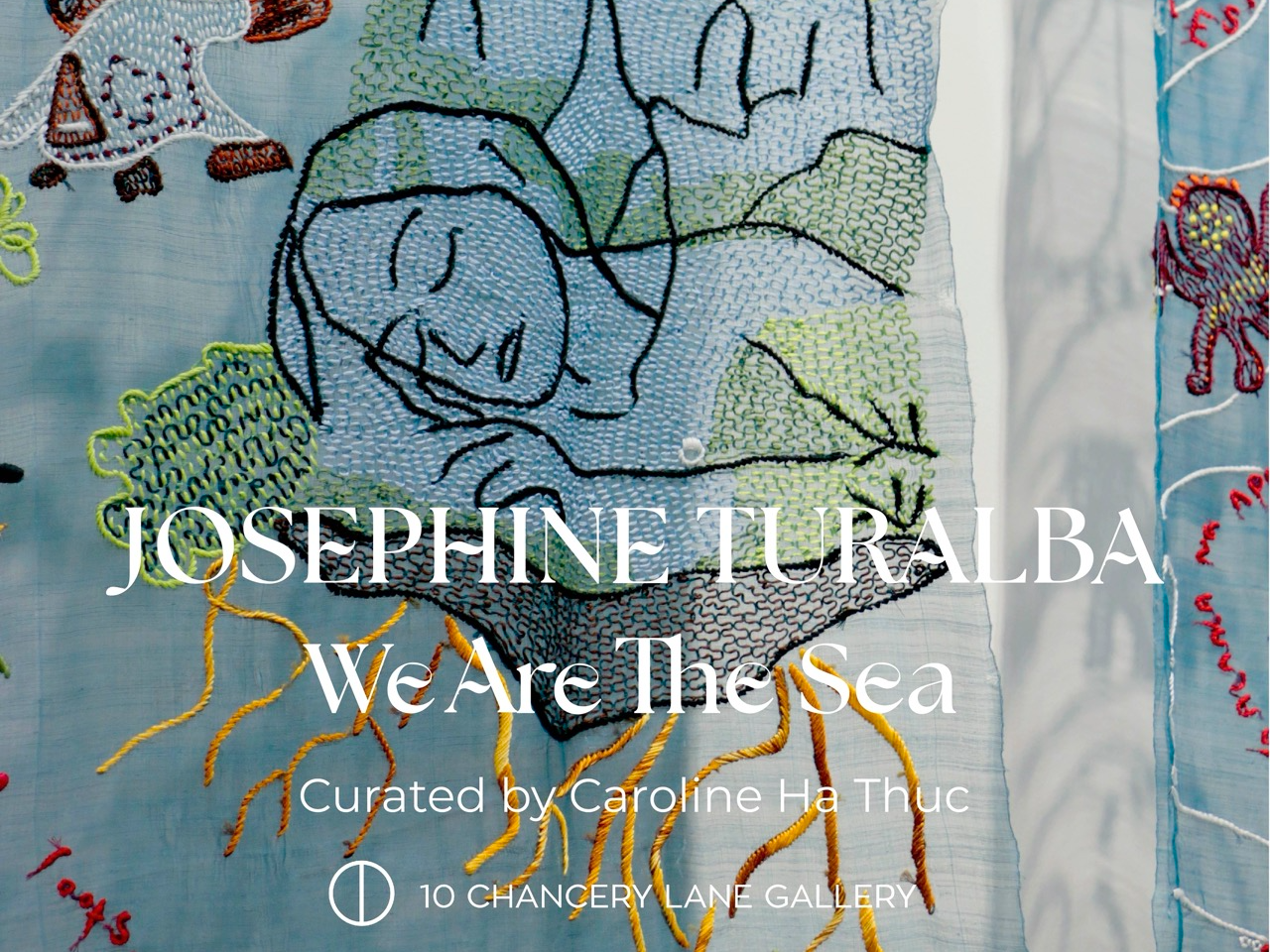
Tang Chang: Into the Heart-Mind
4 Jun – 29 Aug, 2026
gdm (Galerie du Monde)
CENTRAL
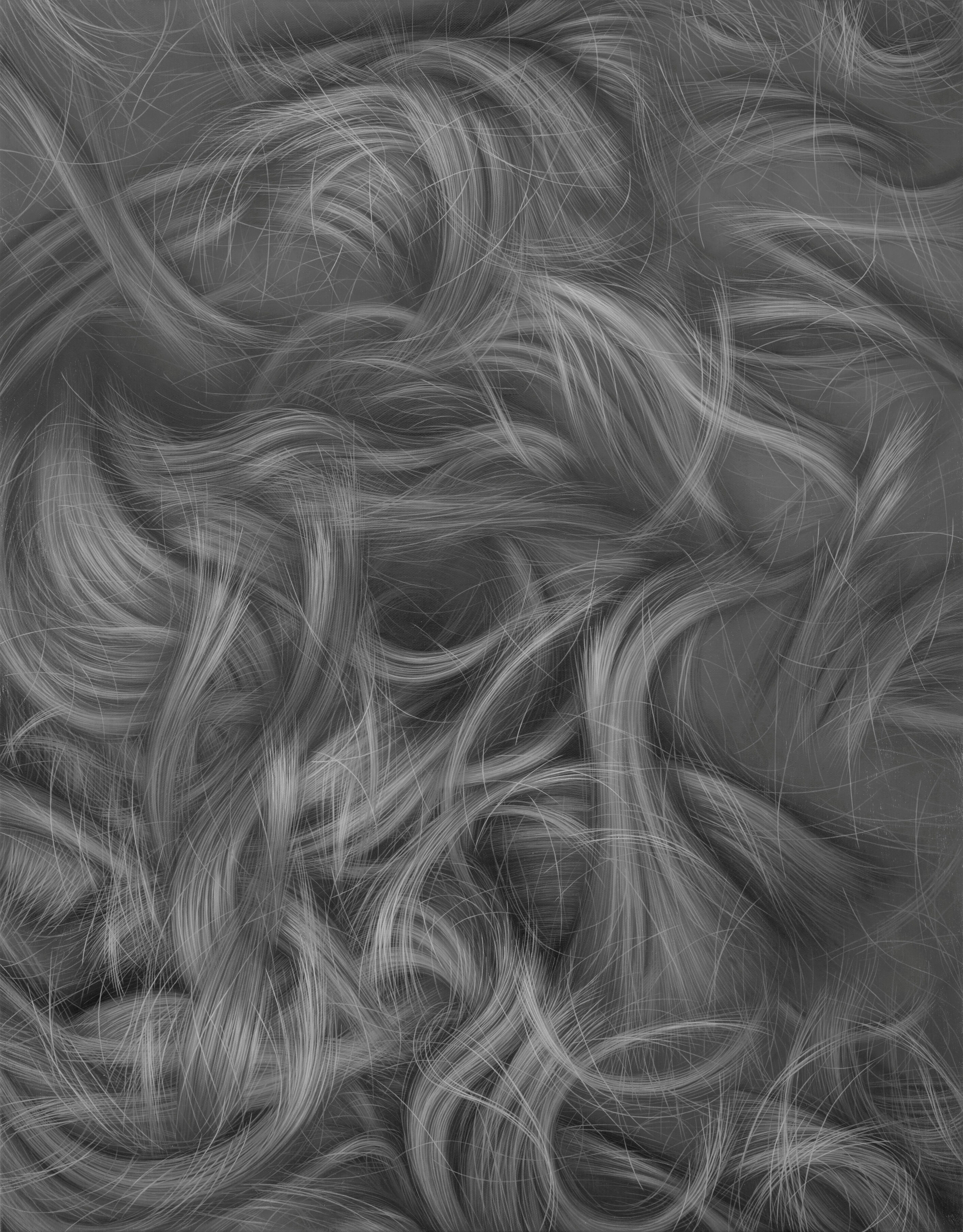
Josephine Turalba: We Are The Sea
3 Jun – 1 Aug, 2026
10 Chancery Lane Gallery
CENTRAL
The Substance of Mirage
30 May – 4 Jul, 2026
Ora-Ora
SOUTHERN
Living Living Artist: Kila Cheung Solo Exhibition
30 May – 12 Jul, 2026
Tang Contemporary Art (Wong Chuk Hang)
SOUTHERN
New Voices in Paris Now: Between Memory and Matter
29 May – 29 Aug, 2026
Alisan Atelier
SOUTHERN
8 – Between Symbiosis and Extinction
29 May – 30 Jun, 2026
Sin Sin Fine Art
CENTRAL
James Turrell: Lifting the Veil
28 May – 1 Aug, 2026
Gagosian
CENTRAL
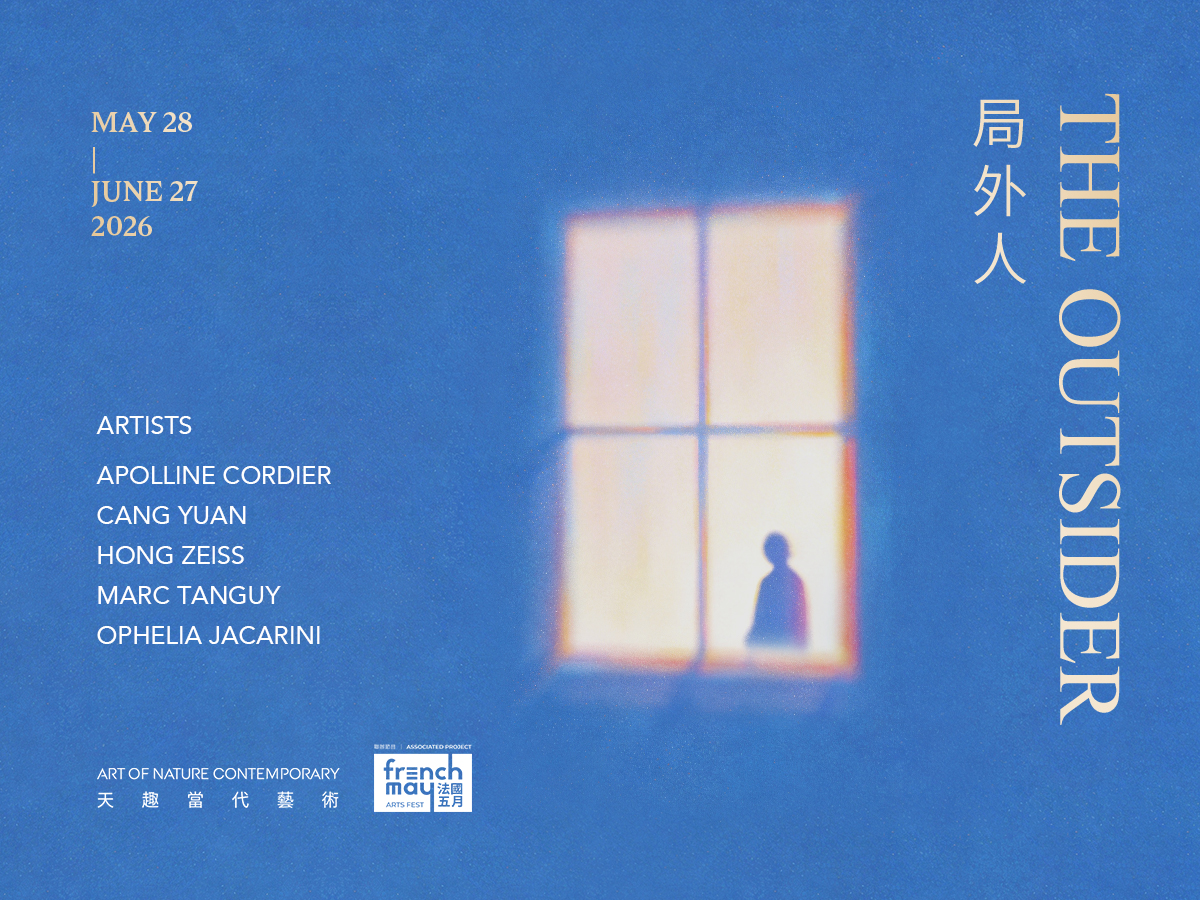
The Outsider
28 May – 27 Jun, 2026
Art of Nature Contemporary (Central)
SOUTHERN
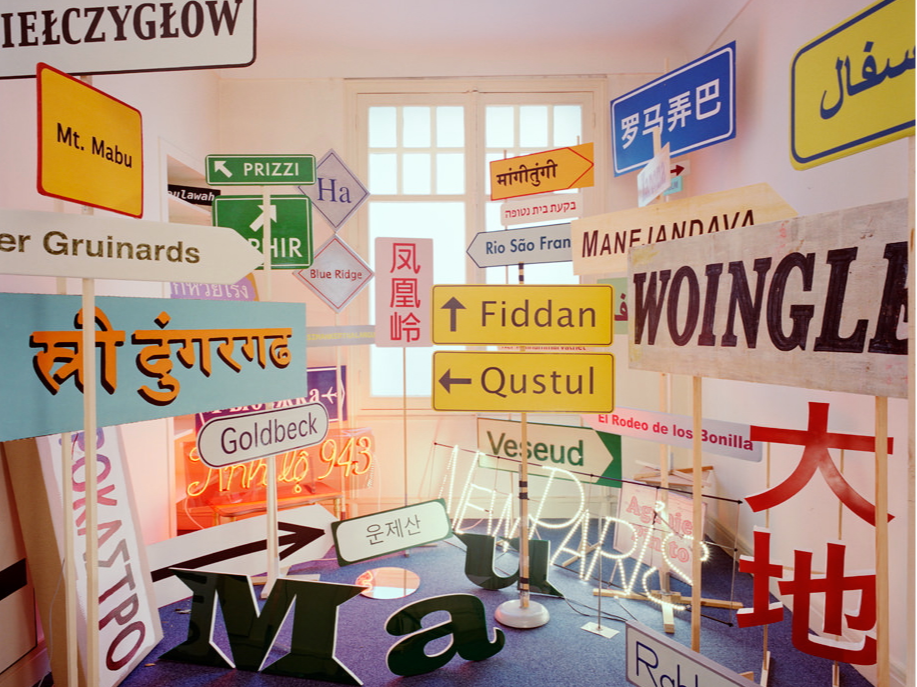
Synesthesia - Aki Lumi x Yuki Onodera
23 May – 25 Jul, 2026
wamono art
SOUTHERN
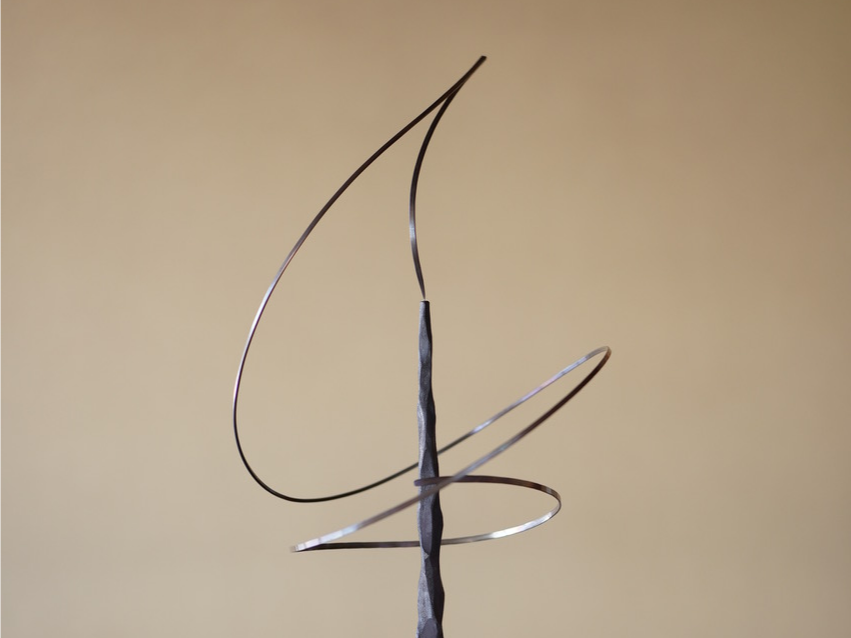
Resonance – Transforming the atmosphere and feeling of space
23 May – 25 Jul, 2026
wamono art
SOUTHERN
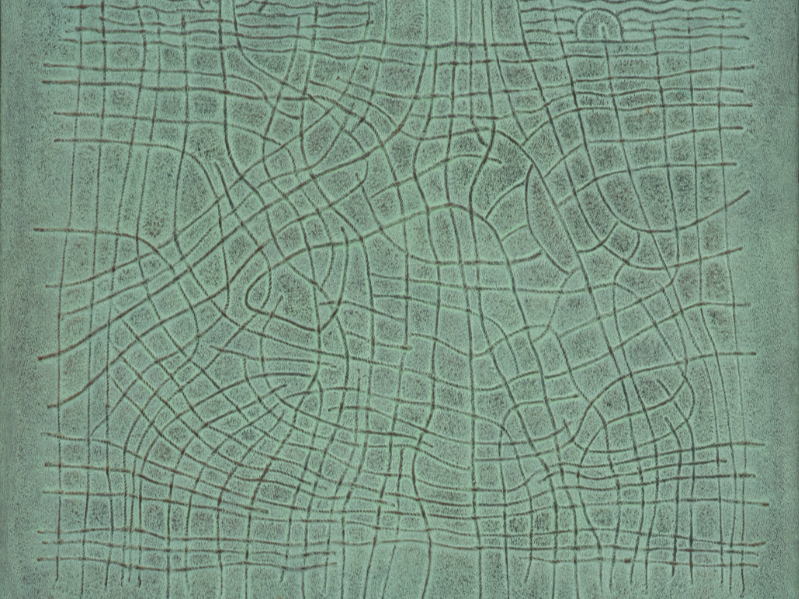
Ha Bik Chuen: 1960s–70s
23 May – 8 Aug, 2026
Rossi & Rossi
CENTRAL
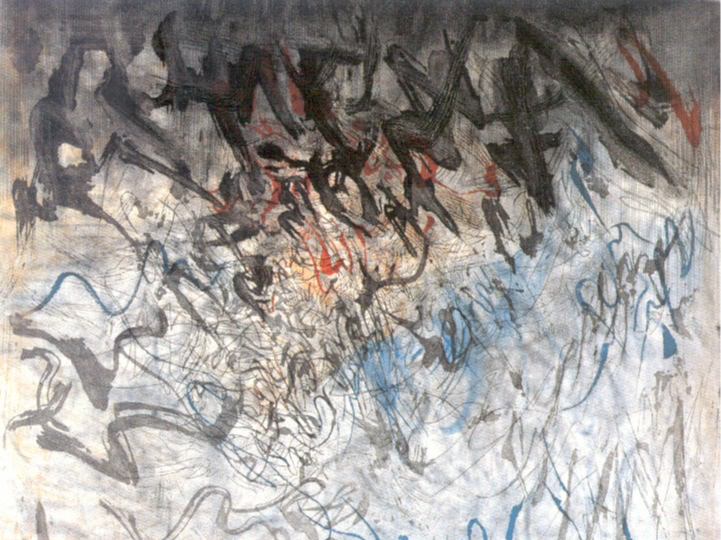
The Chinese Avant-Garde in Paris: Chu Teh-chun, T'ang Haywen, Walasse Ting, Zao Wou-ki
22 May – 15 Aug, 2026
Alisan Fine Arts
SOUTHERN
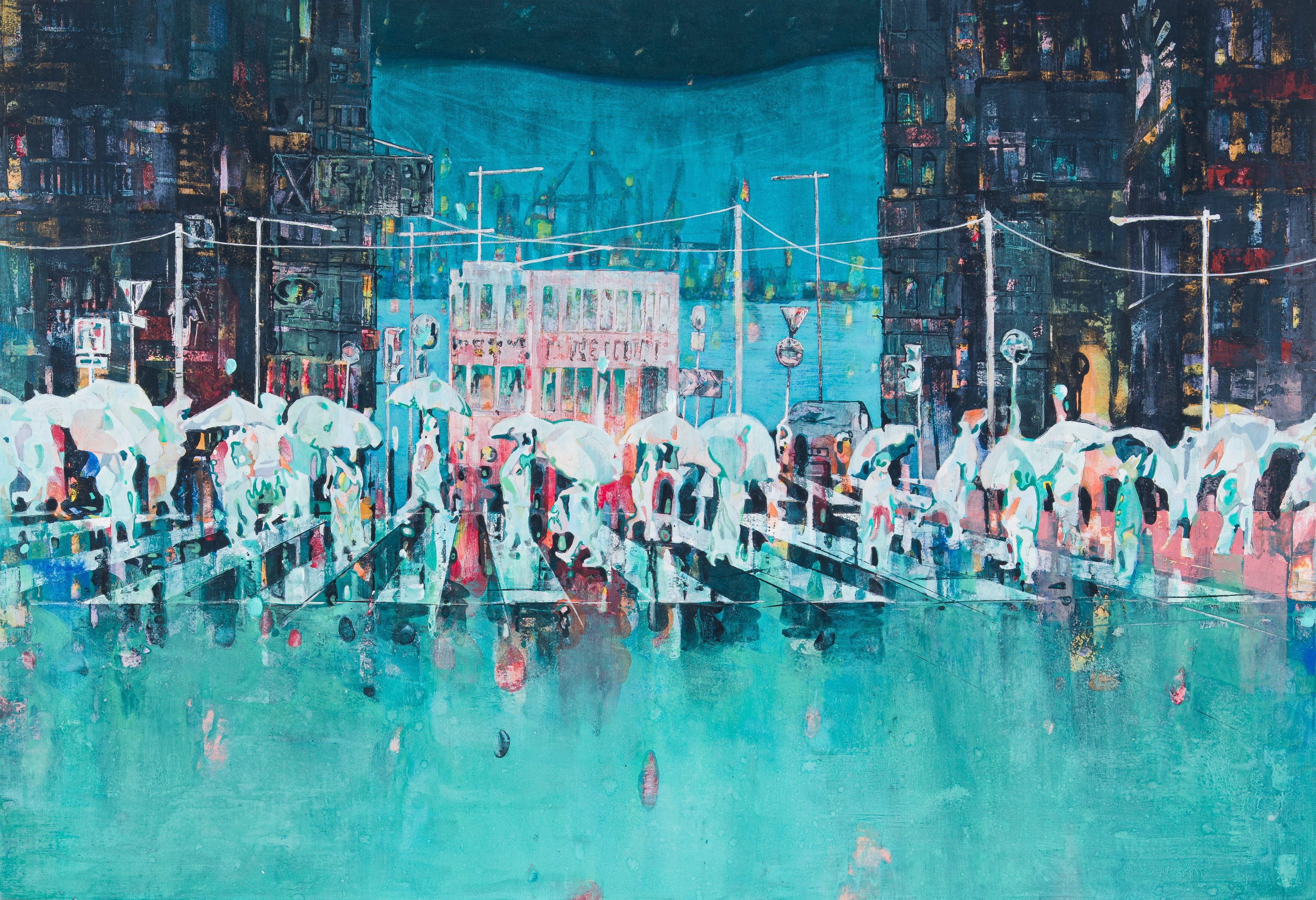
Intersection: Kisho Kakutani and Kosuke Harasawa
16 May – 4 Jul, 2026
Whitestone Gallery
SOUTHERN
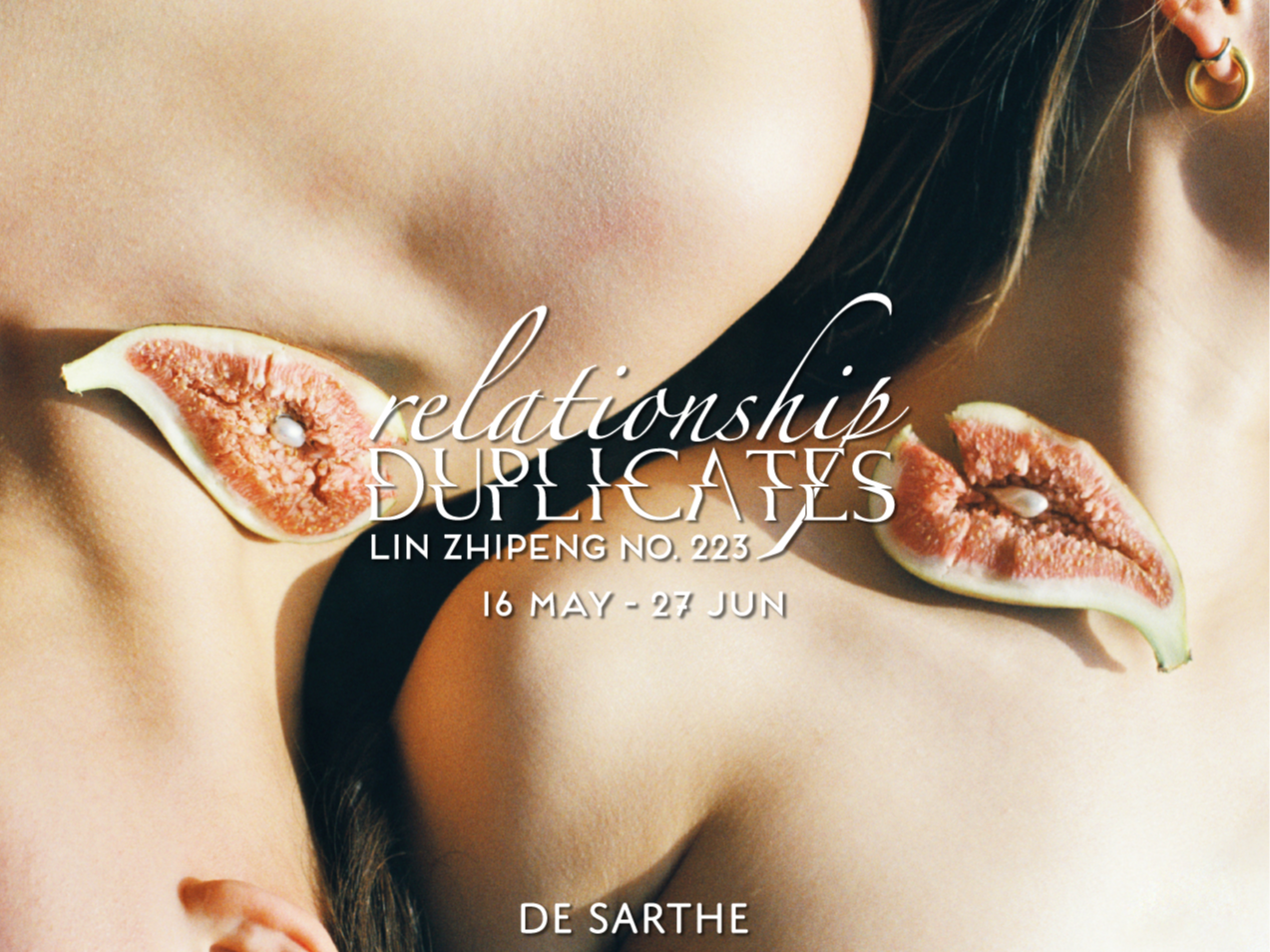
Lin Zhipeng (No.223): Relationship Duplicates
16 May – 27 Jun, 2026
DE SARTHE
SOUTHERN
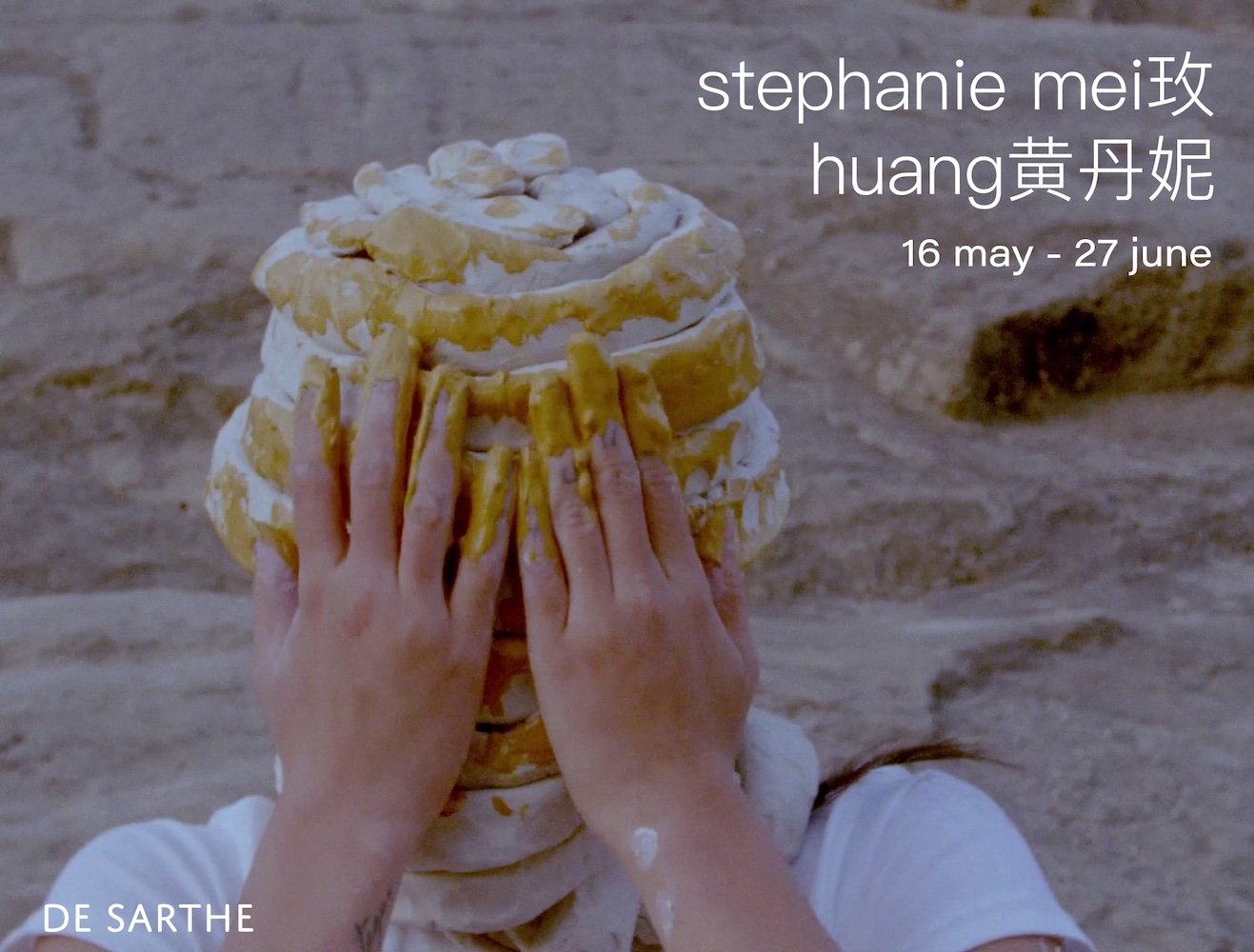
stephanie mei huang: yellow porcelain ii (outside the Los Angeles Police Academy)
16 May – 27 Jun, 2026
DE SARTHE
CENTRAL
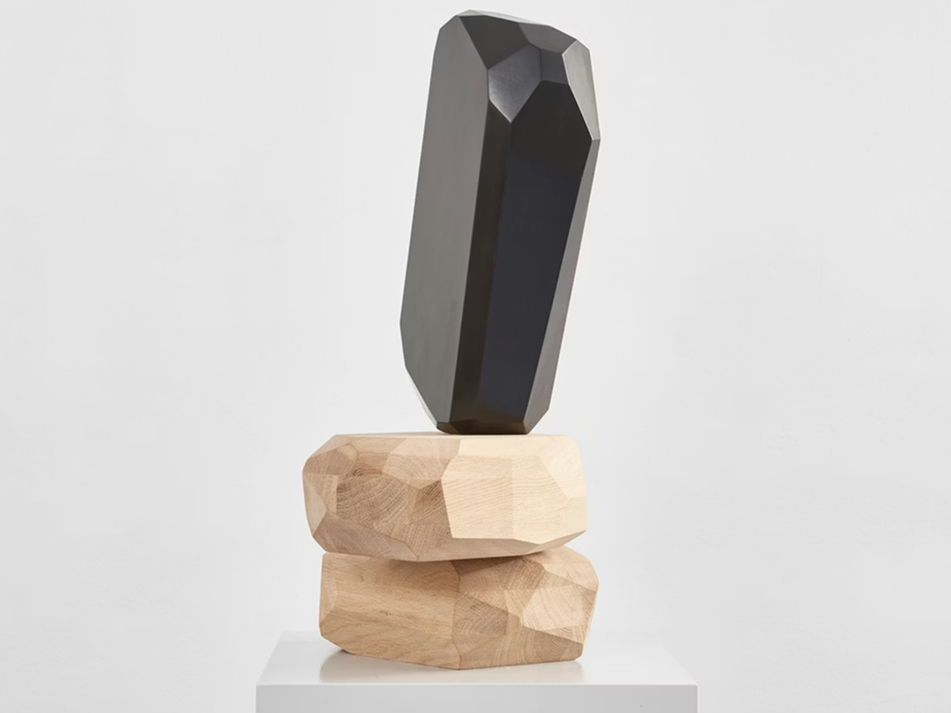
Come Closer
15 May – 5 Jul, 2026
Tang Contemporary Art (Central)
CENTRAL
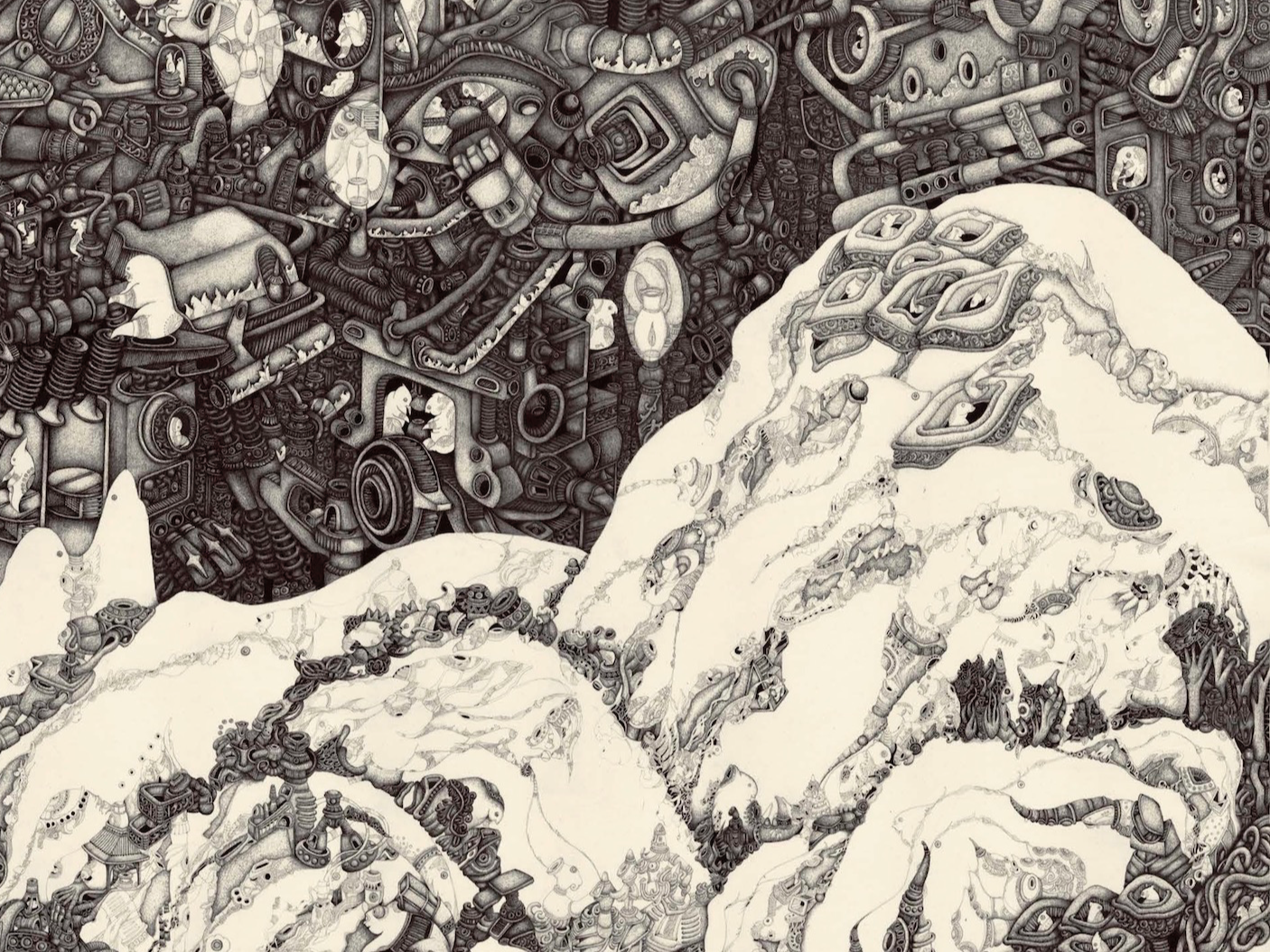
Li Qing: Mechanismic Sublime — Reconstructing Literati Ruins
15 May – 28 Jun, 2026
INKstudio
SOUTHERN
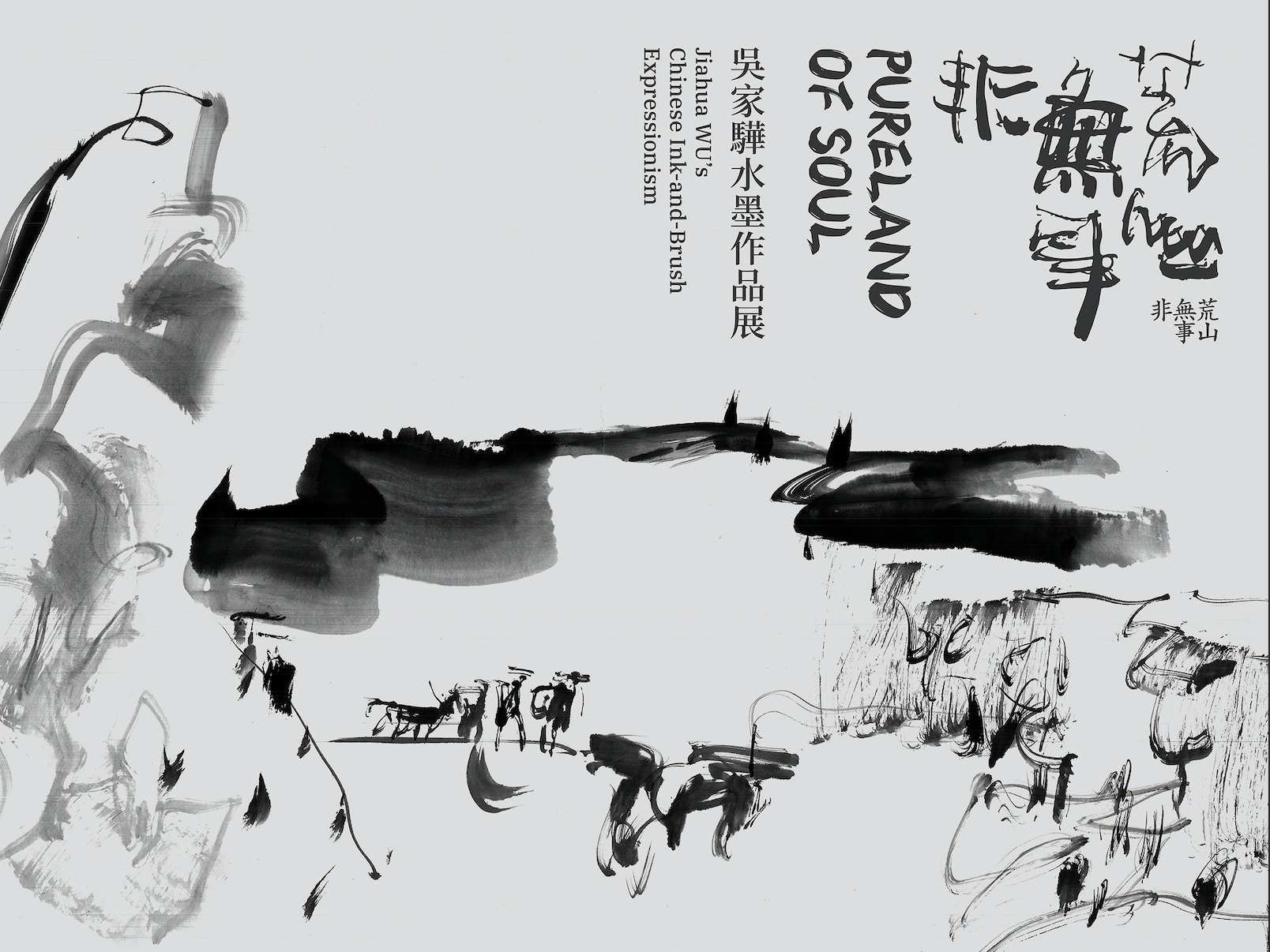
PURELAND OF SOUL: Jiahua WU’s Chinese Ink-and-Brush Expressionism
24 Apr – 4 Sep, 2026
Y Gallery
SOUTHERN
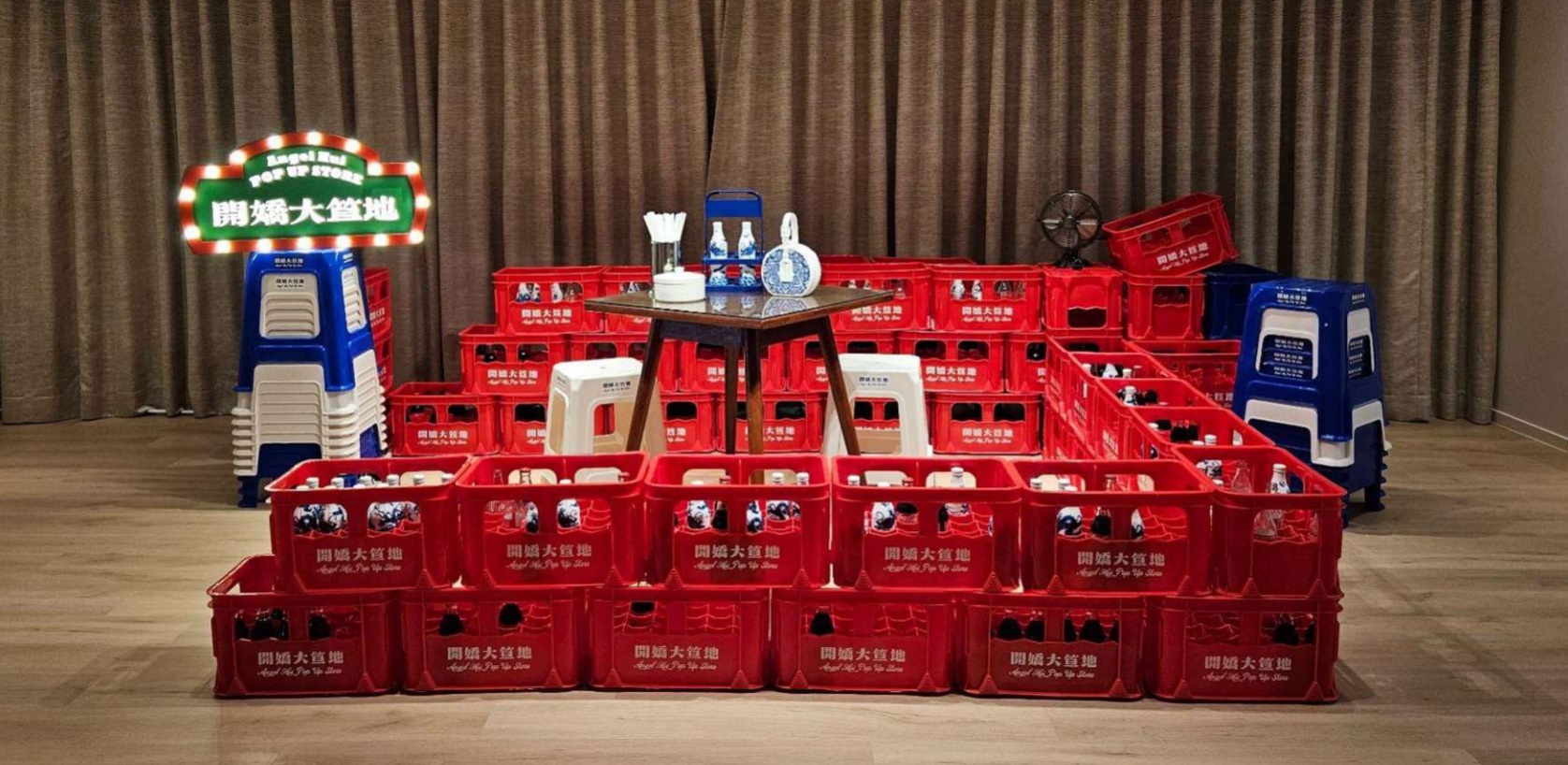
Reimagine the Familiar - A pop-up exhibition
26 Mar – 29 Aug, 2026
Alisan Atelier

CENTRAL
Beyond the Ordinary – Contemporary Book Art
21 Mar – 30 Sep, 2026
Print Art Contemporary

CENTRAL
The Ascent: 15 Years of 3812 Gallery – Anniversary Exhibition
19 Mar – 30 Jun, 2026
3812 Gallery
OPENING SOON
 (1).jpg)
Narration: Action Poem
4 Oct – 12 Nov, 2025
Tang Contemporary Art (Central)
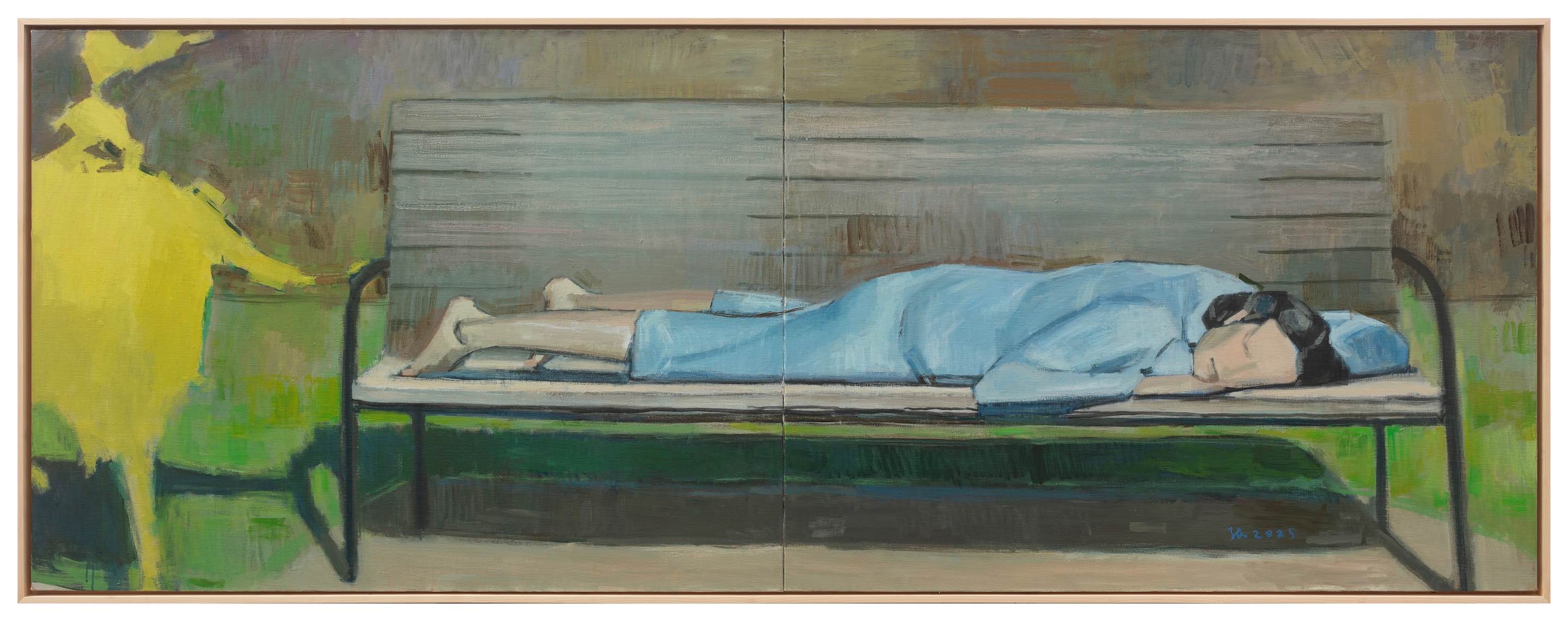
Tang Contemporary Art is pleased to announce the solo exhibition “Narration: Action Poem” by artist Zhang Hui, opening on October 4, 2025, at Tang Contemporary Art Hong Kong, Central space. This exhibition marks Zhang Hui’s first solo project with Tang Contemporary Art, presenting nine new paintings. Curated by Tang Contemporary Art curator Fiona Lu, the exhibition will remain on view until November 12.
Several years ago, while teaching, Zhang Hui painted from a model. At first, it was merely an exercise in studying form, proportion, structure, and musculature. The model was simply an object. Yet over time, Zhang realized the models were more than that: they had a social identity, they were a living human being. Still, in practice, when drawing a model, the subject is not portrayed as a person but used as a medium for training. Thus, the model’s identity becomes strange—both “a person” and, at the same time, like a plaster cast, a kind of “for-example person.” From this realization, Zhang began broader reflections on shifts in subjects and perspectives throughout art history: from depictions of gods and popes in religious painting, to monarchs, to the emergence of democracy and freedom after the French Revolution of 1789; from looking up at divinity, to gazing upon kings, to the leveled gaze of the Impressionists. Over time, humans shifted from being accessories to gods into objects that could be regarded directly. This historical trajectory inspired Zhang’s understanding of the “for-example person”—at once an object, and a node within a larger sequence.
In his practice, Zhang gathers different types of imagery: from art history, from 3D modeling, from online sources. Much like the “collecting of ancient characters” in Chinese calligraphy, Zhang assembles and strings together these “images” into a “nodal narration.” This narration is not storytelling but a matter of connections and arrangements. The episodes and scenarios often tie back to Zhang’s own experiences. Born in the 1960s, Zhang lived through several critical moments of social transformation in China. His works do not pursue grand narratives, but begin from “the human”—from observation, from questions of humanity. Zhang turns his personal experiences into nodes, extending them into pictorial form. These works inherit the solemnity of figuration while also depicting individuals fragmented and compressed by social structures, transformed into examples of the “for-example person.” We are all, in a sense, such “for-example people,” trained, modified, referenced, even treated as subjects of experiment—like dissected figures. Thus, Zhang incorporates small vignettes into his paintings. These are not portraits of specific individuals, but altered figures. For instance, the gesture of “lying flat” is conveyed through the posture of a chair merging with a body. The “for-example person” exists as an object within a larger scene, subject to transformations by shifting environments and contexts. In the painting Untitled・Facts, for example, a male figure is visibly cut apart, as if marking the division line of the “ordinary citizen.”
This exploration extends into Zhang’s “Happy New Year” series, represented in this exhibition by three large-scale paintings. Samuel Beckett’s play Oh les beaux jours (translated as Happy Days) has been deeply influential for Zhang. In the play, the protagonist strings together fragments of the characters through memories, using a stream-of-consciousness style that denies chronology, displaces time, and opens broader narrative possibilities. Zhang adopts a similar method in these paintings, selecting a particular moment in a given year—like “that day”—to stand for the experience of an entire year. Structurally, Zhang deliberately imbues these works with the visual quality of greeting cards. Greeting cards symbolize celebration and ritual; they suspend the insistence on realism, shifting instead toward symbolic interpretation. Their flatness gives the artist freedom to weave his images more fluidly.
Often, Zhang’s figures do not bear clear resemblance to real individuals; they function more like “action poems.” Many gestures are drawn from labor or everyday tasks. When holding a tool, the action is specific; once the tool is removed, the gesture becomes abstract—akin to dance. The line between dance and labor is often no more than the absence or presence of an object. Without a concrete reference, actions slip from the literal into the abstract, ready to be recoded and reinterpreted. Actions are not simply poses; they carry the weight of culture and history. For example, American writer Raymond Carver in Popular Mechanics describes a couple fighting over their child, where a single gesture is laden with tension and meaning. Similarly, in Confucian tradition, the dictum “the beginning of propriety lies in the rectitude of body and form” imbues every gesture with cultural and symbolic weight. Bertolt Brecht’s epic theater likewise emphasized the historicity of actions—each gesture arises from a distinct social and class context. Workers, peasants, intellectuals—all bear the imprint of their era in their physical movements. At the same time, if an action loses its predetermined purpose, it becomes an “open action”—uncertain, illogical, yet capable of generating new rhetoric, new relations, and unexpected beauty.
Zhang is especially drawn to such “failed” or “intermediate” gestures—ones without clear cause or purpose, yet capable of generating meaning in the process. These are the actions most closely tied to freedom. They avoid rigid determinacy, instead opening spaces for new cultural possibility. Gesture studies also reveal their temporality: wartime hand signals, for instance, bear heavy cultural and historical weight. Likewise, in China during the 1990s and today, the bodily states and mannerisms of different generations reflect evolving social environments. Even the militarized trimming of trees in French cities embodies the pervasive presence of design and control.
Thus, people are both shaped objects and shaping agents. This tension can be harsh—like in Italo Calvino’s novel, where figures on a battlefield are split in two, bodies incomplete but spirits intertwined. In such parables, we witness humans reconfigured by space while simultaneously generating new social relations. With his brush, Zhang dissects the duality of the “for-example person”: at once an object structured by norms and a subject seeking freedom through action. These “failed” or “intermediate” gestures, free of fixed causality, move beyond the plaster cast as mere training aid. When action surpasses the confines of purpose, we begin to read in bodily language the liveliest essence of humanity: the tension of being molded by society yet forever striving to break free. Each “for-example person,” through action, composes an epic of existence and selfhood.
Several years ago, while teaching, Zhang Hui painted from a model. At first, it was merely an exercise in studying form, proportion, structure, and musculature. The model was simply an object. Yet over time, Zhang realized the models were more than that: they had a social identity, they were a living human being. Still, in practice, when drawing a model, the subject is not portrayed as a person but used as a medium for training. Thus, the model’s identity becomes strange—both “a person” and, at the same time, like a plaster cast, a kind of “for-example person.” From this realization, Zhang began broader reflections on shifts in subjects and perspectives throughout art history: from depictions of gods and popes in religious painting, to monarchs, to the emergence of democracy and freedom after the French Revolution of 1789; from looking up at divinity, to gazing upon kings, to the leveled gaze of the Impressionists. Over time, humans shifted from being accessories to gods into objects that could be regarded directly. This historical trajectory inspired Zhang’s understanding of the “for-example person”—at once an object, and a node within a larger sequence.
In his practice, Zhang gathers different types of imagery: from art history, from 3D modeling, from online sources. Much like the “collecting of ancient characters” in Chinese calligraphy, Zhang assembles and strings together these “images” into a “nodal narration.” This narration is not storytelling but a matter of connections and arrangements. The episodes and scenarios often tie back to Zhang’s own experiences. Born in the 1960s, Zhang lived through several critical moments of social transformation in China. His works do not pursue grand narratives, but begin from “the human”—from observation, from questions of humanity. Zhang turns his personal experiences into nodes, extending them into pictorial form. These works inherit the solemnity of figuration while also depicting individuals fragmented and compressed by social structures, transformed into examples of the “for-example person.” We are all, in a sense, such “for-example people,” trained, modified, referenced, even treated as subjects of experiment—like dissected figures. Thus, Zhang incorporates small vignettes into his paintings. These are not portraits of specific individuals, but altered figures. For instance, the gesture of “lying flat” is conveyed through the posture of a chair merging with a body. The “for-example person” exists as an object within a larger scene, subject to transformations by shifting environments and contexts. In the painting Untitled・Facts, for example, a male figure is visibly cut apart, as if marking the division line of the “ordinary citizen.”
This exploration extends into Zhang’s “Happy New Year” series, represented in this exhibition by three large-scale paintings. Samuel Beckett’s play Oh les beaux jours (translated as Happy Days) has been deeply influential for Zhang. In the play, the protagonist strings together fragments of the characters through memories, using a stream-of-consciousness style that denies chronology, displaces time, and opens broader narrative possibilities. Zhang adopts a similar method in these paintings, selecting a particular moment in a given year—like “that day”—to stand for the experience of an entire year. Structurally, Zhang deliberately imbues these works with the visual quality of greeting cards. Greeting cards symbolize celebration and ritual; they suspend the insistence on realism, shifting instead toward symbolic interpretation. Their flatness gives the artist freedom to weave his images more fluidly.
Often, Zhang’s figures do not bear clear resemblance to real individuals; they function more like “action poems.” Many gestures are drawn from labor or everyday tasks. When holding a tool, the action is specific; once the tool is removed, the gesture becomes abstract—akin to dance. The line between dance and labor is often no more than the absence or presence of an object. Without a concrete reference, actions slip from the literal into the abstract, ready to be recoded and reinterpreted. Actions are not simply poses; they carry the weight of culture and history. For example, American writer Raymond Carver in Popular Mechanics describes a couple fighting over their child, where a single gesture is laden with tension and meaning. Similarly, in Confucian tradition, the dictum “the beginning of propriety lies in the rectitude of body and form” imbues every gesture with cultural and symbolic weight. Bertolt Brecht’s epic theater likewise emphasized the historicity of actions—each gesture arises from a distinct social and class context. Workers, peasants, intellectuals—all bear the imprint of their era in their physical movements. At the same time, if an action loses its predetermined purpose, it becomes an “open action”—uncertain, illogical, yet capable of generating new rhetoric, new relations, and unexpected beauty.
Zhang is especially drawn to such “failed” or “intermediate” gestures—ones without clear cause or purpose, yet capable of generating meaning in the process. These are the actions most closely tied to freedom. They avoid rigid determinacy, instead opening spaces for new cultural possibility. Gesture studies also reveal their temporality: wartime hand signals, for instance, bear heavy cultural and historical weight. Likewise, in China during the 1990s and today, the bodily states and mannerisms of different generations reflect evolving social environments. Even the militarized trimming of trees in French cities embodies the pervasive presence of design and control.
Thus, people are both shaped objects and shaping agents. This tension can be harsh—like in Italo Calvino’s novel, where figures on a battlefield are split in two, bodies incomplete but spirits intertwined. In such parables, we witness humans reconfigured by space while simultaneously generating new social relations. With his brush, Zhang dissects the duality of the “for-example person”: at once an object structured by norms and a subject seeking freedom through action. These “failed” or “intermediate” gestures, free of fixed causality, move beyond the plaster cast as mere training aid. When action surpasses the confines of purpose, we begin to read in bodily language the liveliest essence of humanity: the tension of being molded by society yet forever striving to break free. Each “for-example person,” through action, composes an epic of existence and selfhood.
Tang Contemporary Art (Central)
Address: 10/F, H Queen's, 80 Queen's Rd. Central, Central
Opening Hours: Tues–Sat 11am–7pm
Phone: +852 2682 8289
Website: tangcontemporary.com