


 (1).jpg)

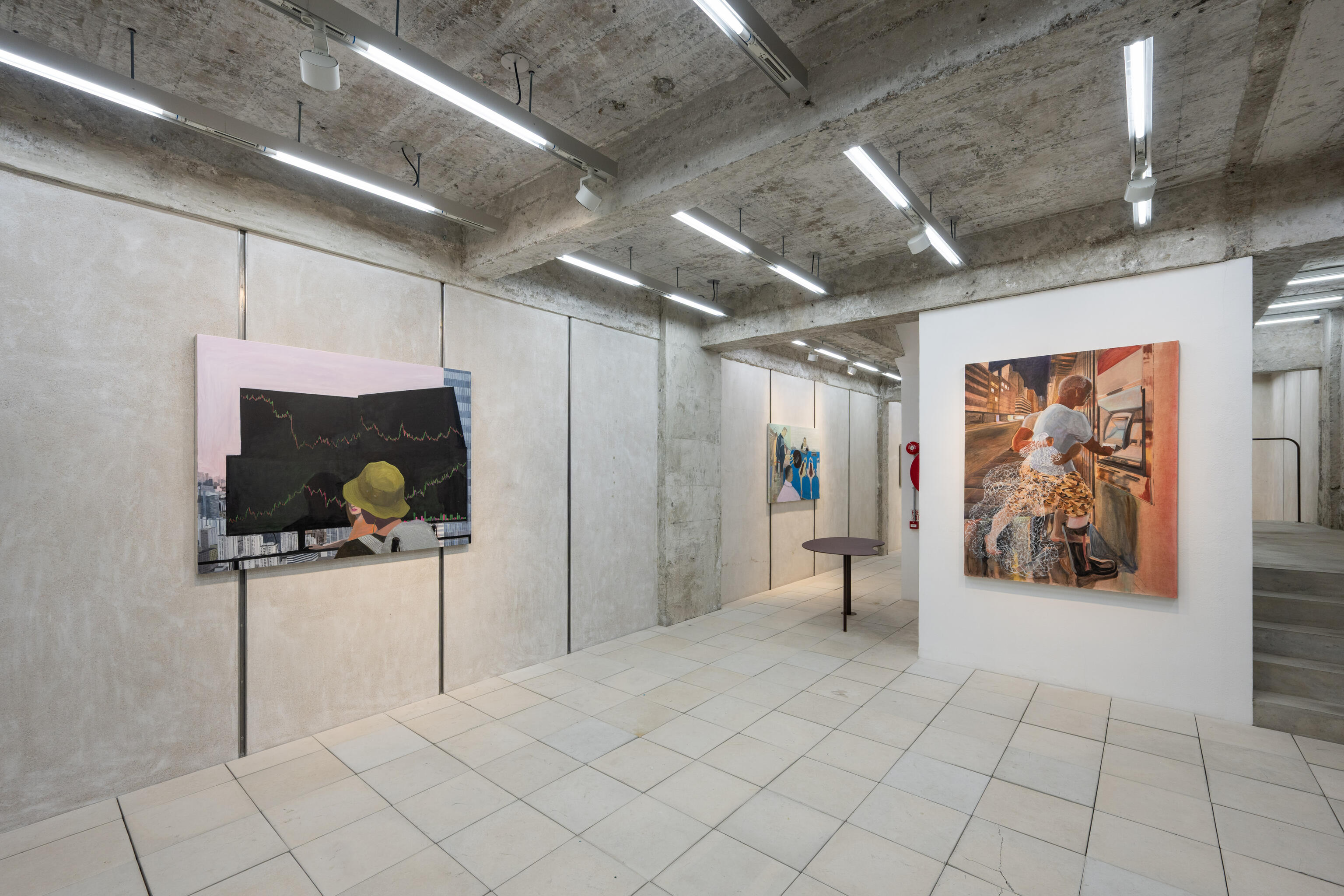
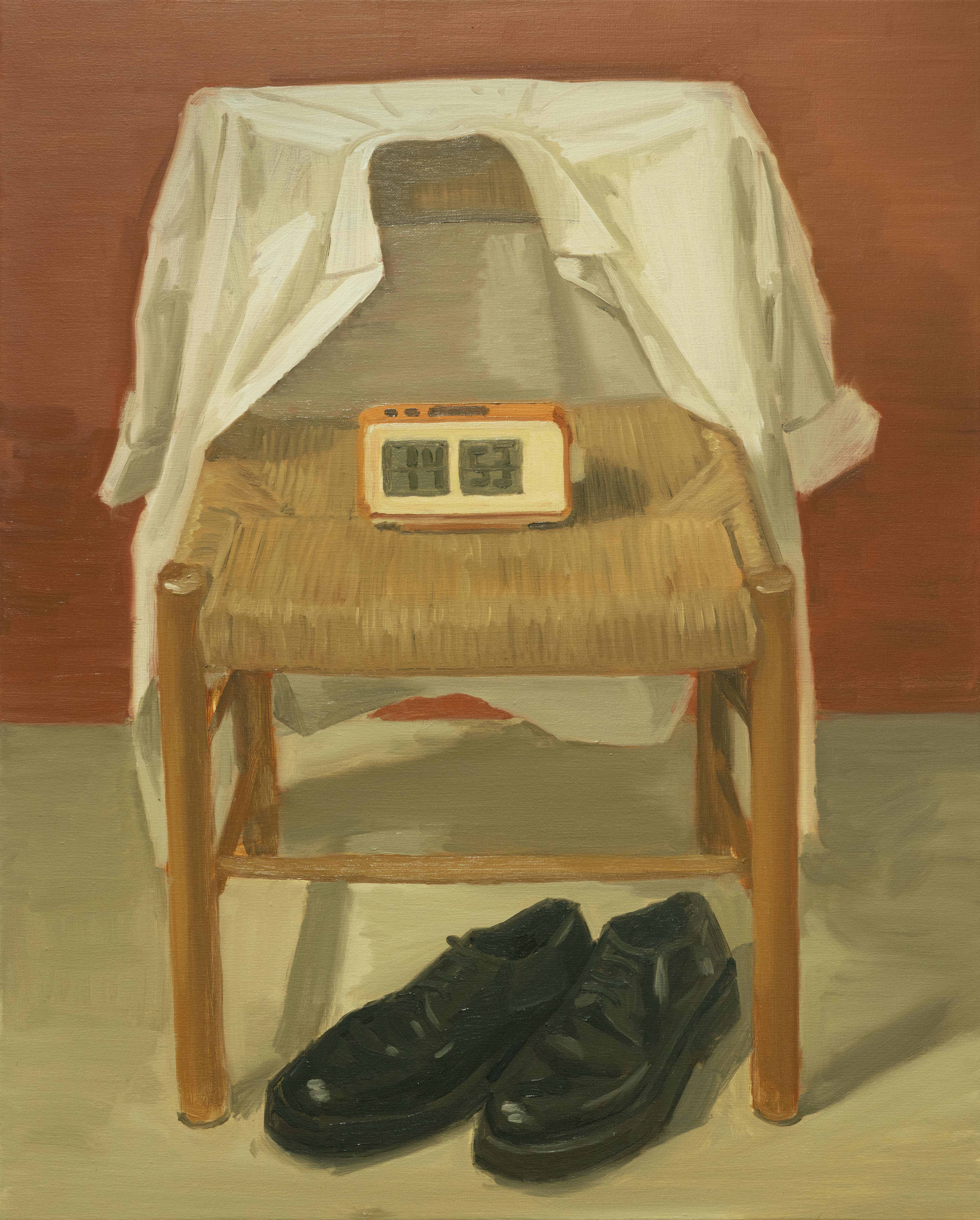
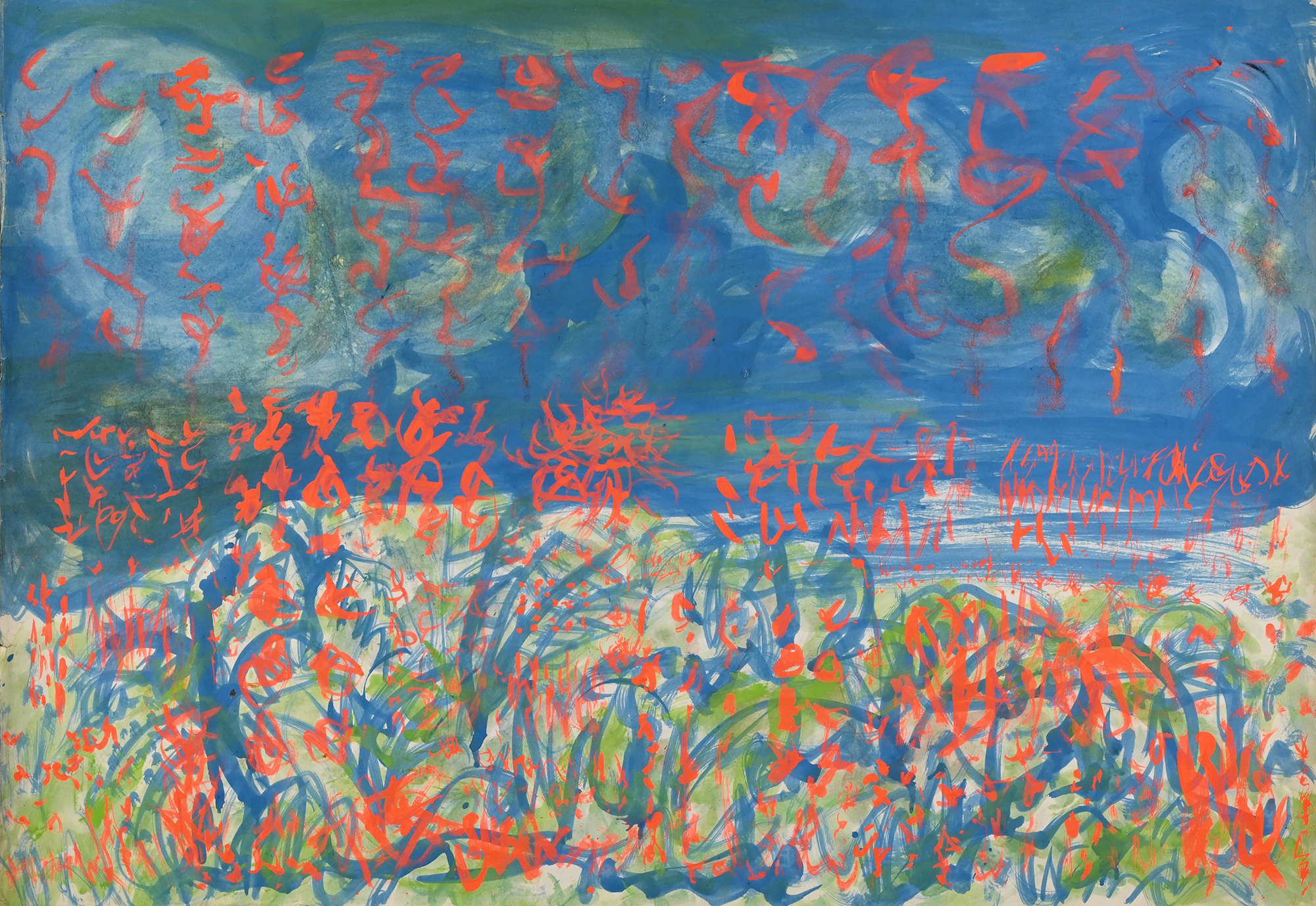

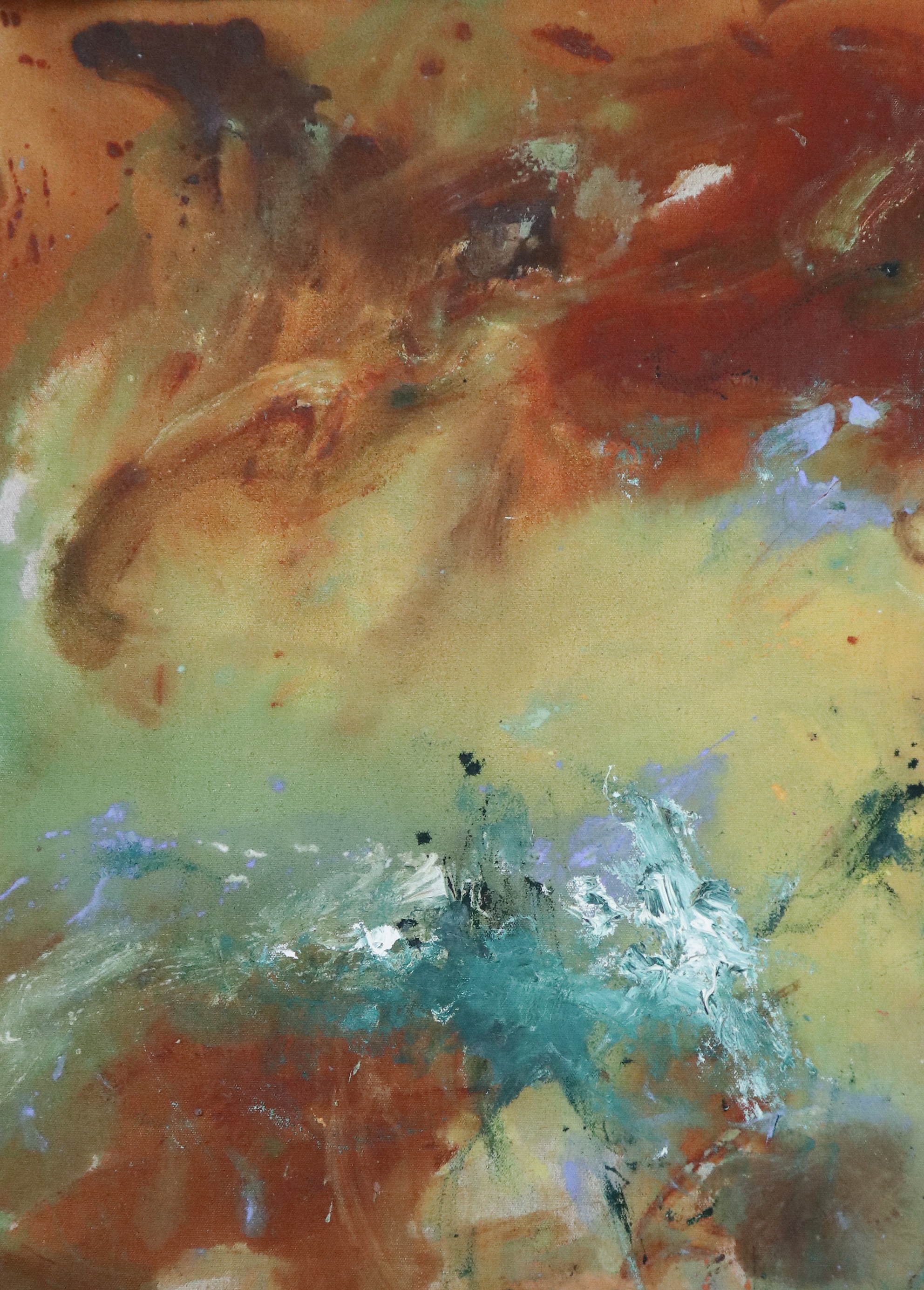
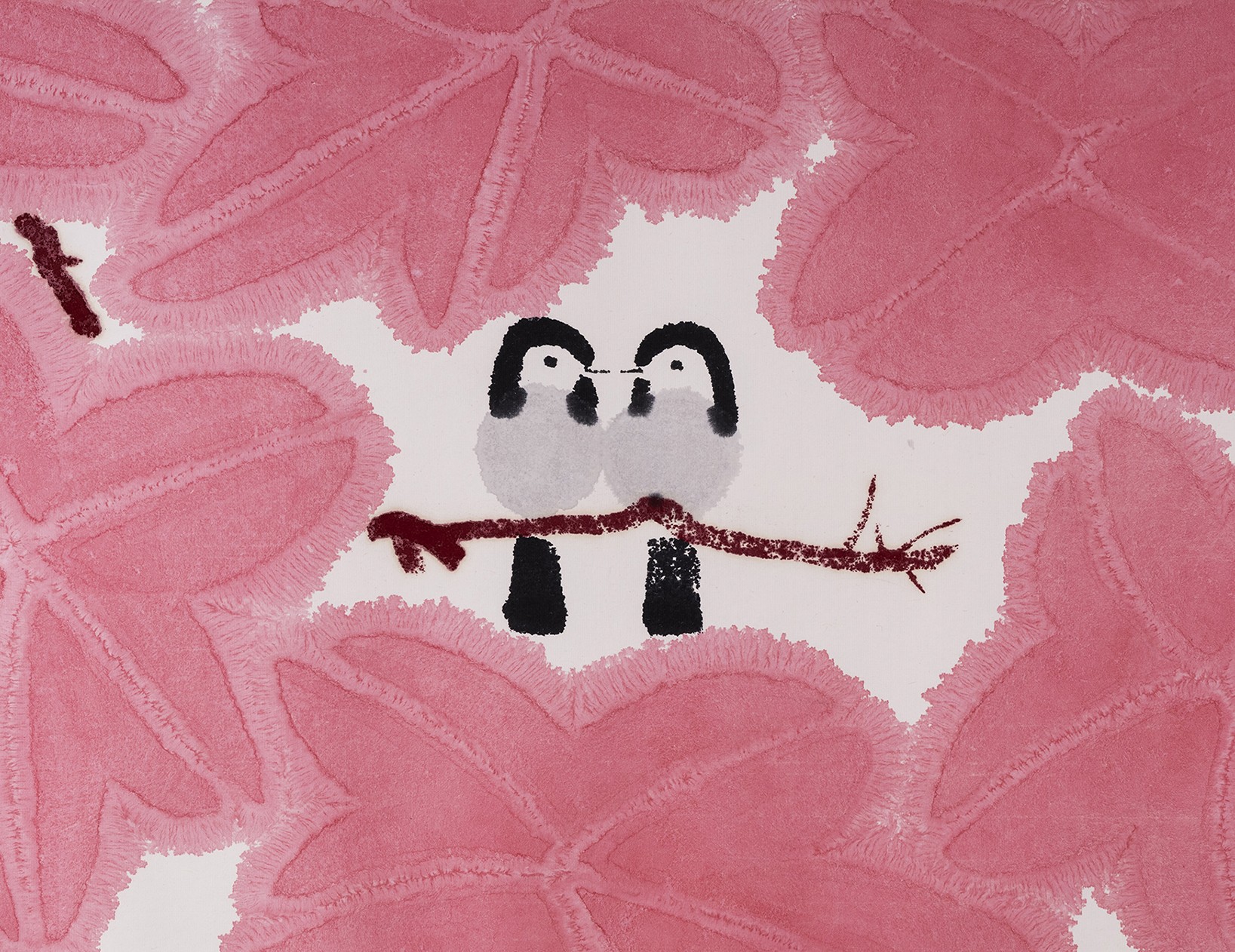
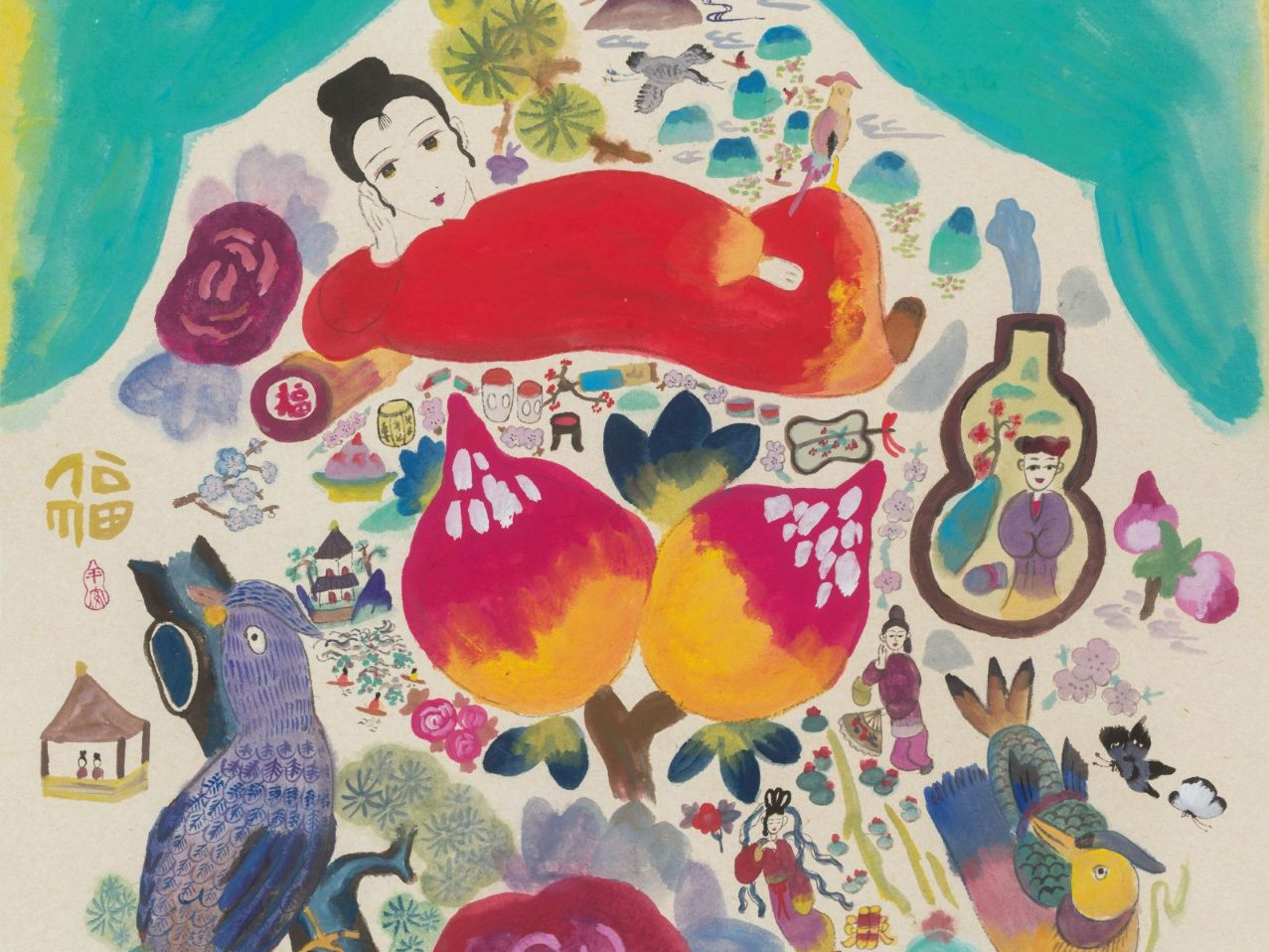
Kiang Malingue is pleased to present Dwelling in Mirrors, a solo exhibition by Wang Xiaoqu at its Hong Kong location, featuring over a dozen oil paintings created over the past year. The series expands upon the artist’s recent artistic trajectory—a transition at once poised and intense. As the artist turns her gaze inward, she recalibrates the relationship between the self and the other, utilizing her captivating canvases to reimagine social milieus, friendships, temporal existence, and the ruptured link between the ego and its projected ideals—the self dwelling in mirrors. This is Wang Xiaoqu’s first solo exhibition with Kiang Malingue.
Over the past decade, Wang has woven complex visual narratives through technically exquisite and unexpectedly composed paintings. She favours depicting startling, confounding tableaus, where recurring imagery of middle-aged men and sophisticated social situations elicit a subtle sense of unease while accentuating power dynamics and emotional conflicts. A palette alternating between sugary and cold tones intensifies the persistently fraught relationships between the figures, animals, and flora within her concise compositions. What feels intense, bordering on violent, is not only the movements of Wang’s characters, but also her own gesture: envisioning and weaving tenuous connections between humans and objects within a weightless void.
However, in her recent practice, Wang has gradually transcended narratives underpinned by antagonistic friction. At a moment when the external world has increasingly lost its empirical efficacy and psychological grip, she turns her attention toward imagery closely bound to immediate, lived experience. Works presented in the 2024 Copenhagen exhibition Alloy Night already featured children laughing heartily while playing; trees with “eyes” lit up by a pair of streetlights; orchids blooming amid kinetic or static relations; and hauntingly solemn dogs traveling in extraordinary packs. Drawing from her pandemic-era experiences, she transposes these mundane, hyperbolic, or bizarre visual snapshots onto canvas, subtly suggesting the vulnerability, dejection, or resilience of both humans and nature.
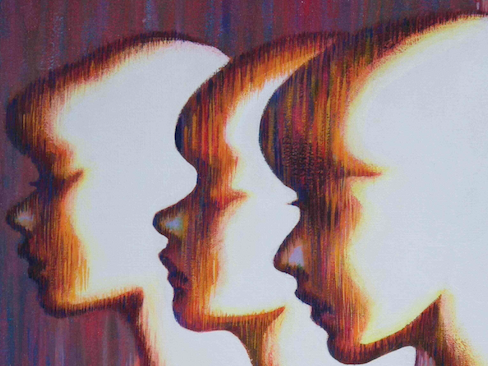
Dwelling in Mirrors, this current exhibition at Kiang Malingue, further reveals Wang’s inclination toward inward exploration. Inspired by Emily Dickinson’s line, “I dwell in Possibility,” the exhibition title suggests a transcendence of social relations and a focus on the process of self-becoming, while each work can be seen as the concentrated and candid manifestation of tangible life experience upon the canvas. Pieces such as Salon (2026), Sunset (2026), and Holiday (2026), bear distinct self-portraitual significance, capturing the duration a female protagonist undergoes during mundane rituals of haircuts and grooming. Diluted and homogenised by iteration, this temporal experience is nevertheless endowed with an enduring toughness; through Wang’s repeated overpainting and structural re-compositions, the scenes attain an ultra-slow, time-lapse quality. Her brushstrokes disperse throughout the entire painterly space, transforming strands of hair or imperceptible shifts in complexion into metaphors for her dense, compact brushwork.
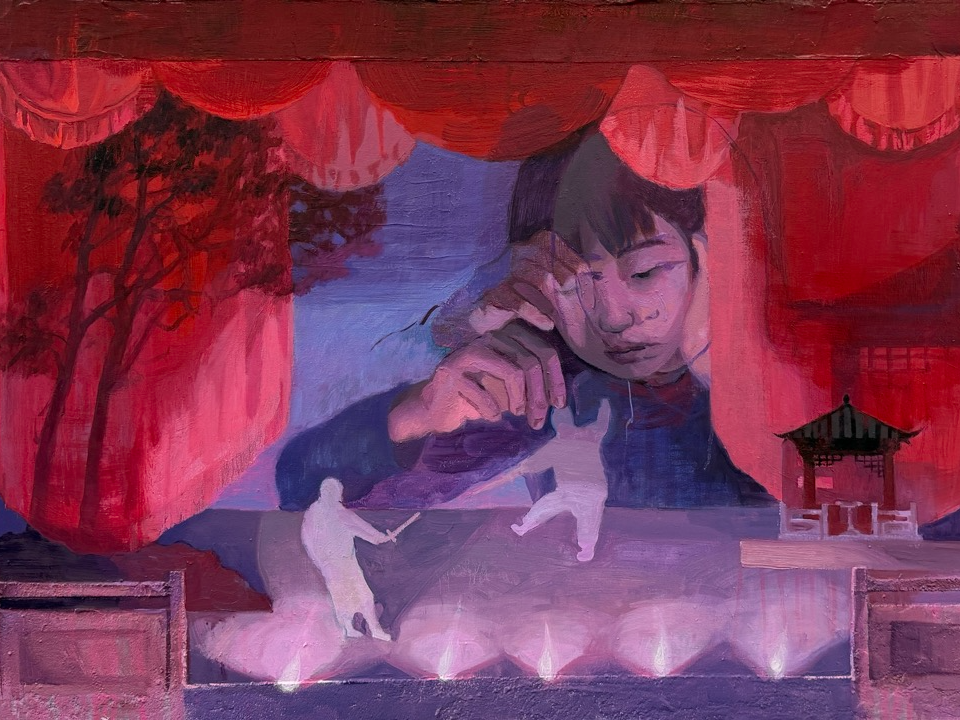
A defining characteristic of this new series is that the background environment has become as vital as the subject itself. Wang no longer arbitrarily wrenches figures from their original contexts to float isolated within empty, shadowless monochrome vacuums. On the contrary, after examining the works of 15th-century Venetian master Vittore Carpaccio during a trip to Europe—where she was moved by Carpaccio’s pictorial spaces that are at once familiar and strange, his anatomical depictions of internal organs, and his capacity to prompt spiritual introspection through an exhaustive rendering of detail—Wang has poured unprecedented attention into her backgrounds. While preserving the uncanny sense of space from her past work, she now emphasizes the authenticity and malleability of space, time, scenario, and memory, pulling the faint threads between characters and things into the realm of the real. Light Rain to Cloudy (2026), which depicts a life lived in transit, juxtaposes a transient state of being with an expansive seascape, where the relationships forged between objects like an iron, a cruise ship, and an umbrella suggest that space is permeated by heterogeneous durations of suspension. In A Perfect Shadow (2026), the reclining man is an artist friend of Wang’s; a low perspective deliberately restrains the work’s visual impact, while the arrangement of light, shadow, and weight between the figure and several playfully comical objects on the floor orchestrates a distinct pictorial tension. Enraptured (2026) is a painting about cinema: playing on the screen is Coralie Fargeat’s film The Substance (a contemporary Hollywood version of The Picture of Dorian Gray), while the viewer lies sprawled across the bed. Within this breath-holding silence, a sense of dread intrudes upon a totally private space. The subtle ties Wang has long woven between her characters place the viewer and the cinematic image in a singular, delicate standoff—yet the expansive city nightscape in the background diffuses this tension, offering a sense of lighthearted tranquility.
ATM (2026) is rooted in observations Wang made during her 2023 residency at Kiang Malingue’s Hong Kong space, located in a coastal neighborhood where many fishermen live and work. In the painting, a fisherman standing before an automated teller machine on a nocturnal city street is cleaved in two: what initially appears to be two men locked in an embrace—one wearing rubber boots, the other barefoot—is, in fact, a single individual, a composite of multiple gestures captured at different moments. Set against a meticulously detailed backdrop, he emerges as a non-symbolic, authentic, yet inexplicably marvellous individual—simultaneously casting a crystal-clear net to fish and counting banknotes, allowing the puddle beneath his feet to wash his body into a reflection.
Within concrete environments saturated with detail, figures allow reflections to entangle with their very being; consequently, the relationship between the I and the environment shifts, as does the relationship between the I and the self. Overlapped by his own multifarious states, the fisherman—as a laboring subject—serves as a mirror through which Wang reflexively examines herself. Salon directly transforms the viewer into a mirror for the canvas’s protagonist. In Contact (2026), a figure facing the viewer closes his eyes as he is being touched by the very mirror reflecting him: a friend applying his makeup. Thermal Imaging (2026) more implicitly hints at the hub connecting a scattered, slouching crowd—a glowing screen; meanwhile, Scientific Rest Method (2026) uneconomically surrounds a drowsy subject with multiple screens, creating an infinite reflection-absorption, a mirror-within-a-mirror or screen-within-a-screen situation that leaves one besieged from all sides. Spilled Disaster (2026), Sour Heart (2026), and even The Call of the Distant Mountains (2026) similarly hurl the subject into reflections and screens, further underscoring this truth: the tepid duration of screen-time, the crisp temporality of chopping vegetables, and the race-against-the-clock fluctuations of the stock market are all crucial factors in calibrating the distance between the I and the self. There exists a kind of space where I can neither find peace nor break free; time is the process of constructing these spaces, and equally, the means of dismantling them.

Address: 10 Sik On St., Wan Chai
Opening Hours: Tue–Sat 12pm–6pm
Phone: +852 2810 0317
Website: kiangmalingue.com